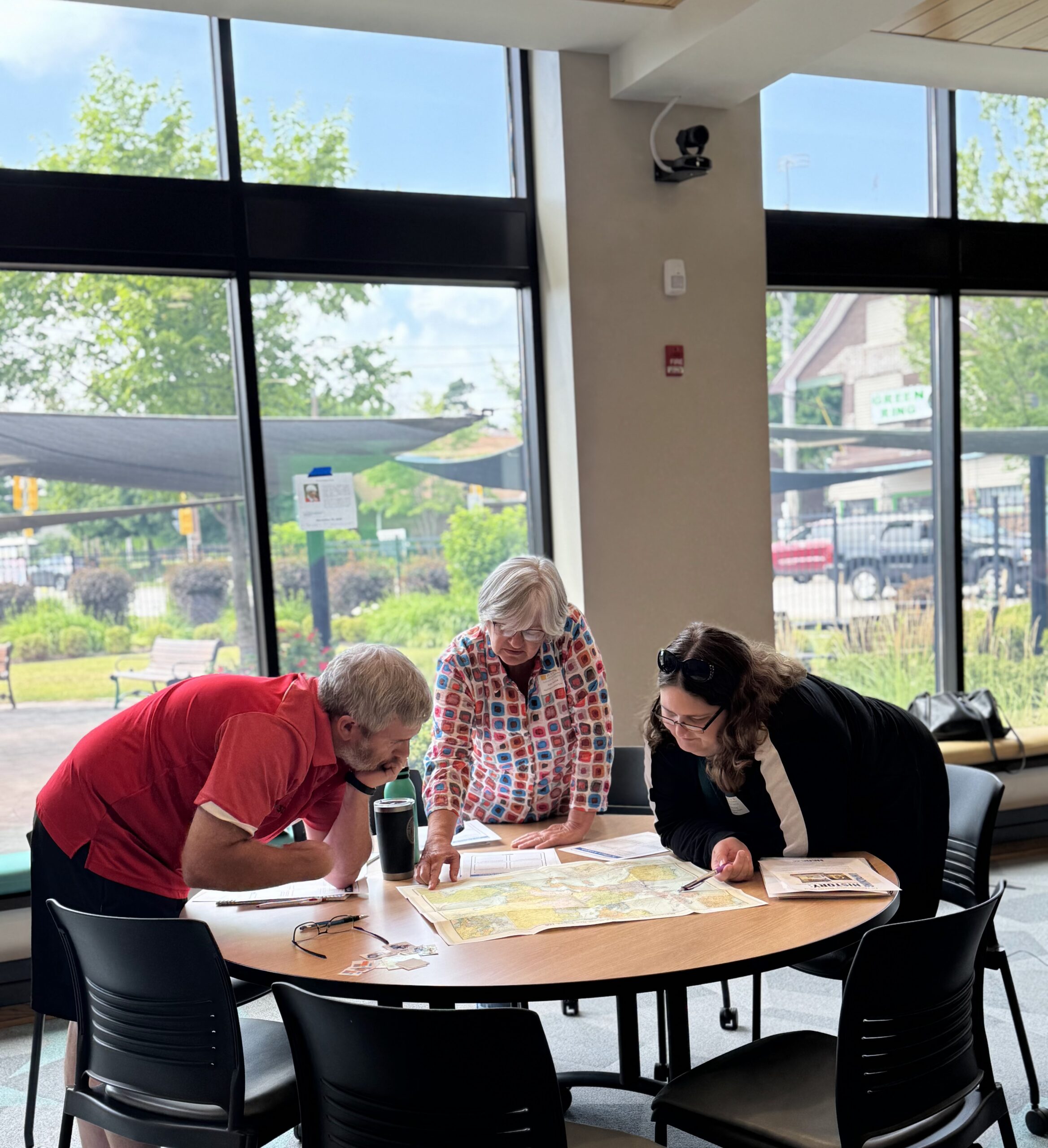
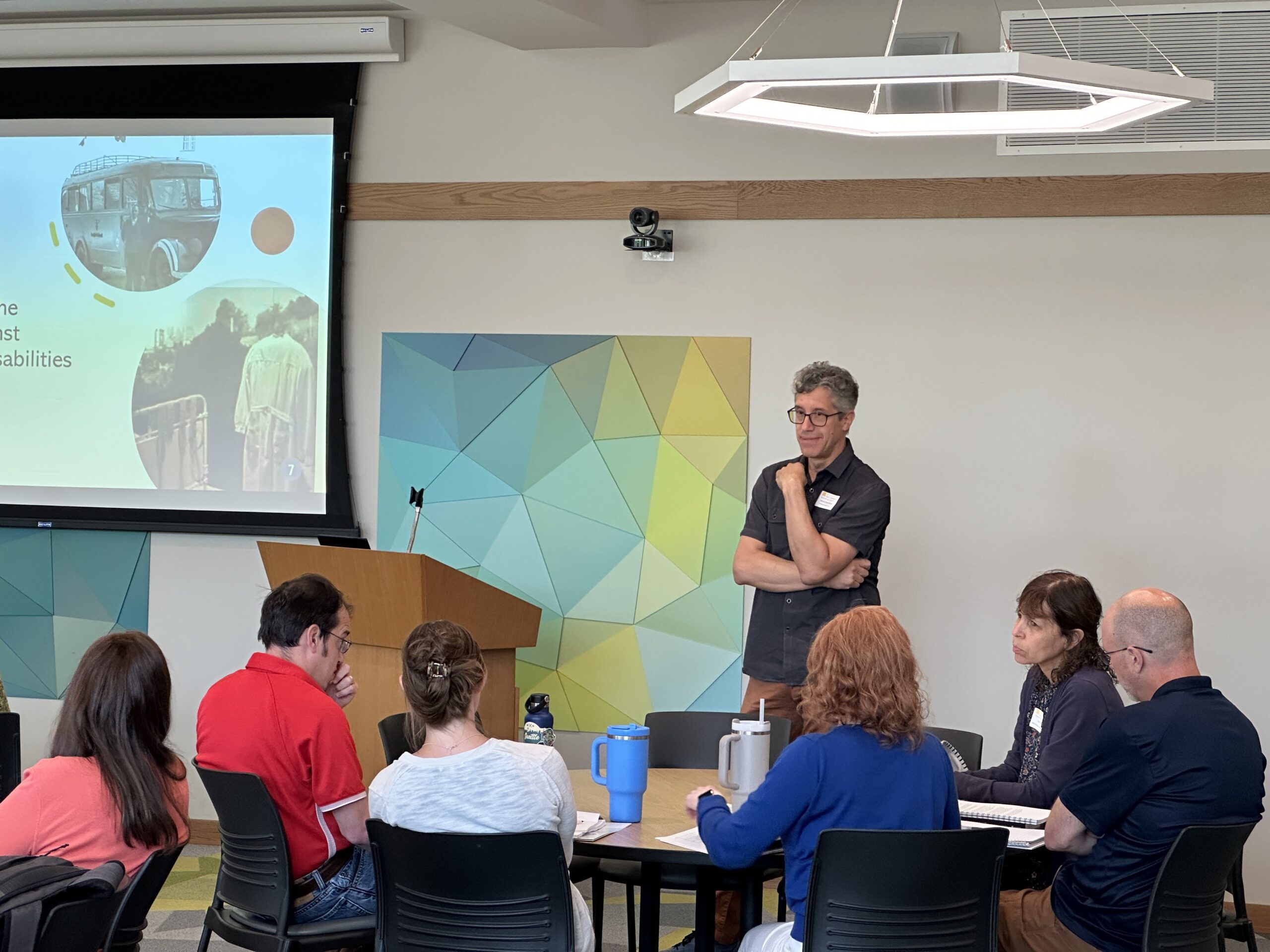
Educators participate in a small group discussion during HERC's Navigating the Holocaust professional development workshop.
Home /

Navigating the Holocaust

Navigating the Holocaust

Now that Holocaust education is required in Wisconsin’s middle schools and high schools (WI Act 30), this workshop is essential for all Wisconsin educators who teach about the Holocaust in their classroom. Hosted by the Nathan & Esther Pelz Holocaust Education Resource Center in partnership with the Wisconsin Department of Public Instruction.

Summer Workshop

About:

Join us in Milwaukee for a two-day in-person conference for educators teaching Holocaust and genocide education. Engage with educators across the state and world-renowned speakers in the field.

Date:

July 7-8, 2026

Cost:

$25

Location:

Bader Philanthropies

What to Expect

1. Learn from world-renowned experts in the field of Holocaust and genocide studies.

2. Gain information and resources about the Holocaust and context for talking about other genocides in the classroom.

3. Make connections with educators in other areas.

Time Commitment

There will be approximately 4-5 hours of sessions per day with breaks. You will not be asked to complete assignments or readings prior to sessions.

Who

Middle school and high school educators of Social Studies and English Language Arts. Act 30 is specific to Wisconsin, but there may be similar Holocaust and genocide mandated education in your state.

Scholarship opportunity:
A limited number of scholarships are available to help underwrite the costs for educators to attend the conference in person. Funding can be used for travel expenses, accommodation, and other costs associated with your stay in Milwaukee. An interest in scholarship can be indicated when registering.


Professional development hours

Attending educators will be given a letter from the Wisconsin Department of Public Instruction stating the number of hours that have gone towards professional development.
Speaker Lineup

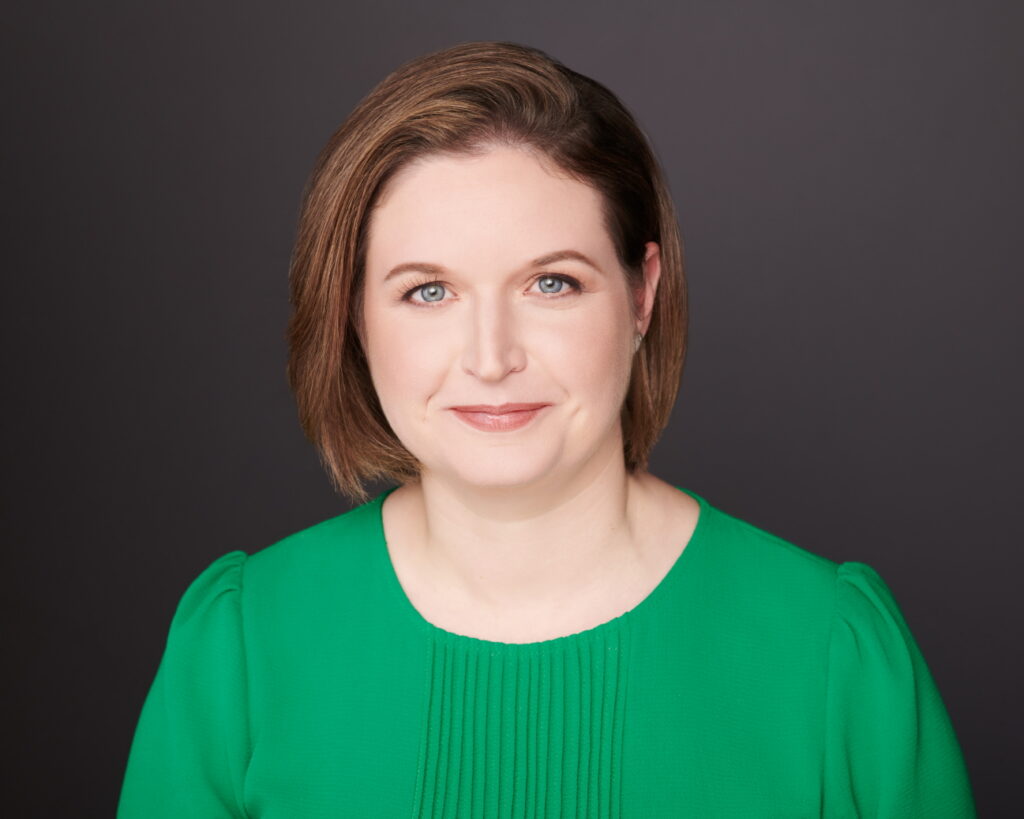
Rebecca Erbelding, historian at the United States Holocaust Memorial Museum and keynote speaker for HERC's Navigating the Holocaust professional development program."

Keynote Speaker: Rebecca Erbelding

Dr. Rebecca Erbelding has been a historian, curator, and archivist at the U.S. Holocaust Memorial Museum for the past 22 years and served as the lead historian on the Museum’s special exhibition, Americans and the Holocaust. She holds a PhD in American history from George Mason University. Her first book, Rescue Board: The Untold Story of America’s Efforts to Save the Jews of Europe (Doubleday, 2018), won the National Jewish Book Award for excellence in writing based on archival research. She and her work are featured in the 2022 PBS documentary “The U.S. and the Holocaust,” directed by Ken Burns, Lynn Novick, and Sarah Botstein, a film for which she served as a historical advisor. She is currently writing Shelter on the Lake: 982 Holocaust Refugees and an American Small Town on the Fort Ontario Emergency Refugee Shelter (1944-1946), which will be published by Simon and Schuster in 2027.

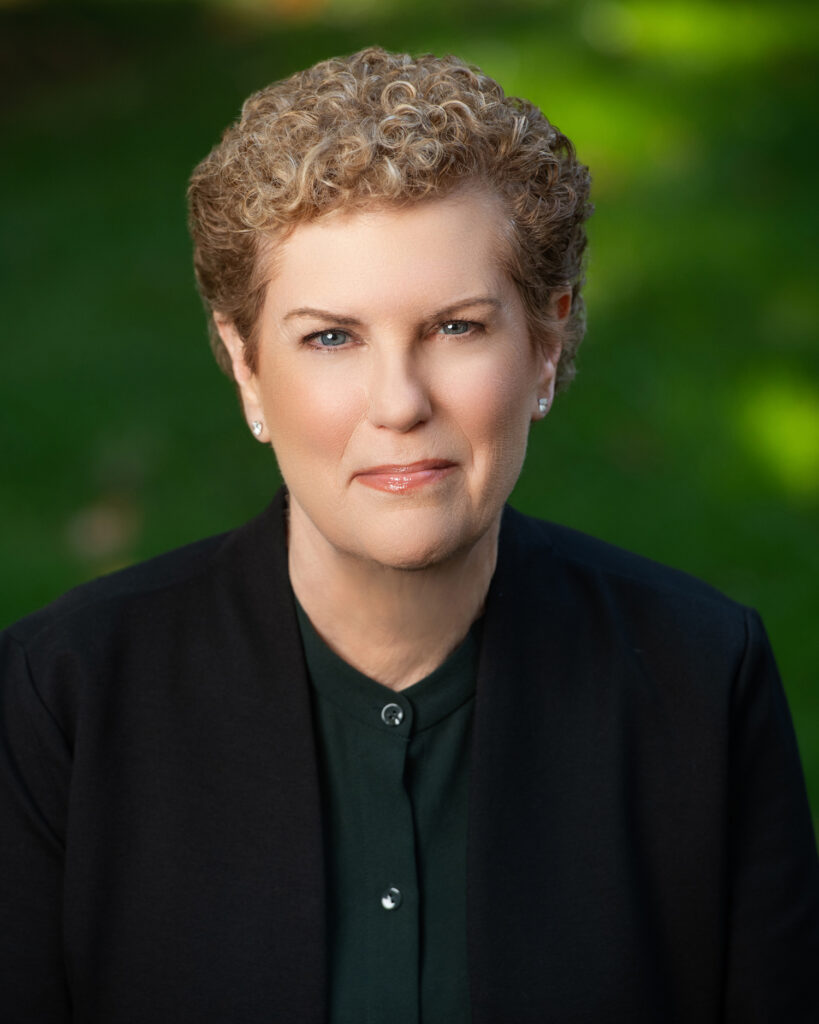
Headshot of Pam Nadell, speaker for HERC's Navigating the Holocaust professional development workshop.

Pamela Nadell

Professor Pamela Nadell holds the Patrick Clendenen Chair in Women’s and Gender History at American University. Her new book, Antisemitism, an American Tradition (W.W. Norton, October 2025), won the National Jewish Award in American Jewish Studies. The Wall Street Journal named it to its October list of “books to read.” Hadassah Magazine and Religion News Service named it to lists of the best books of 2025.

Nadell’s last book, America’s Jewish Women: A History from Colonial Times to Today, (W.W. Norton, 2019), won the National Jewish Book Award’s Everett Family Foundation “Book of the Year” and was translated into Hebrew. A past president of the Association for Jewish Studies, Nadell is a member of the Advisory Board planning the rebuild of Pittsburgh’s The Tree of Life. However, to her chagrin, she may best be known for testifying before Congress in the hearing with the presidents of Harvard, MIT, and the University of Pennsylvania.

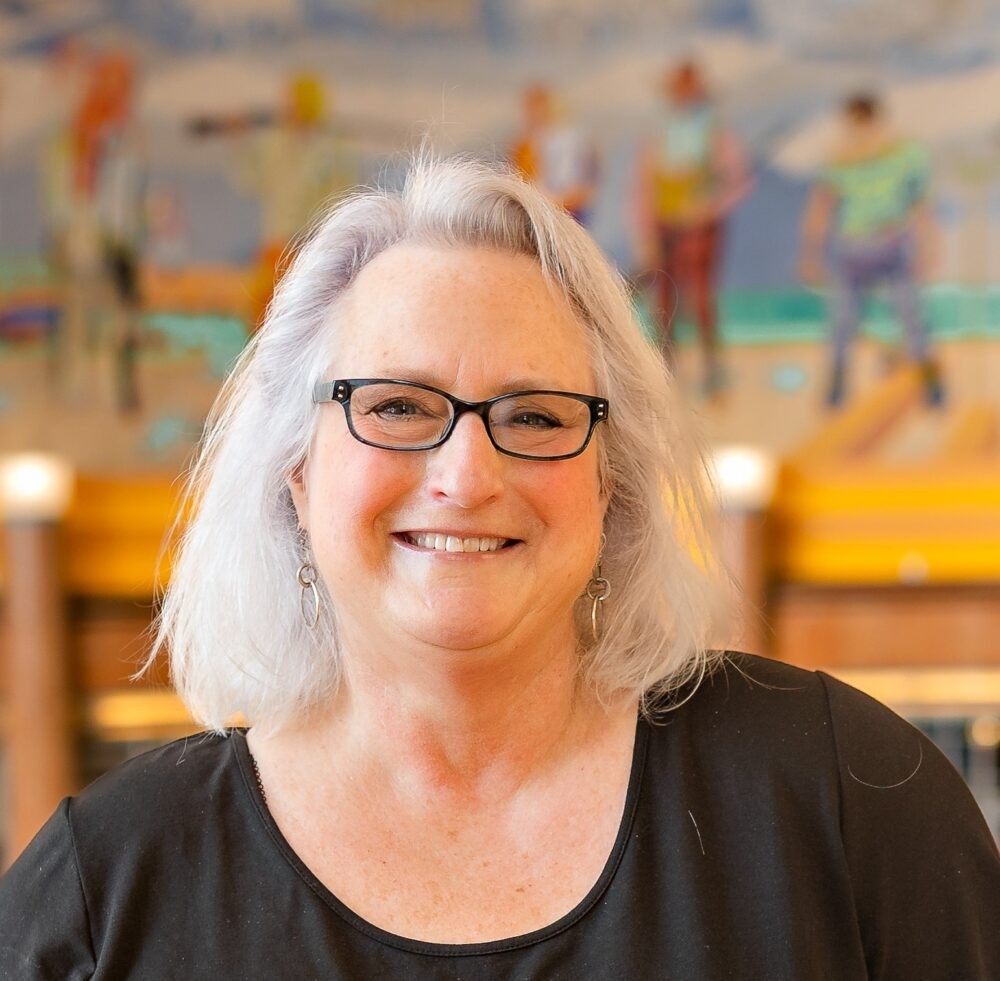
Jodi Elowitz, a speaker for HERC's Navigating the Holocaust Summer Workshop, smiles warmly at the camera. She has shoulder-length silver hair, black rectangular glasses, and wears a black top.

Jodi Elowitz

Jodi Elowitz is the Director of Education at the Ohio Holocaust and Genocide Memorial and Education Commission, bringing extensive experience in teaching, program development, and Holocaust curriculum.

She has served as a Metadata Specialist with the USC Shoah Foundation and taught The Holocaust in Film at the University of Cincinnati.

Previously, Jodi was Chief Learning Officer at the Nancy & David Wolf Holocaust & Humanity Center, where she oversaw the creation of its award winning interactive museum.

She has also held leadership roles with the Center for Holocaust and Genocide Studies at the University of Minnesota, the Tennessee Holocaust Commission, and the Jewish Community Relations Council of Minnesota and the Dakotas.

She specializes in artistic representation of the Holocaust in visual media and has presented and published articles on these topics.

Ms. Elowitz holds a Bachelor of Arts degree in Humanities/Art History and a Master of Liberal Studies degree in Holocaust Studies from the University of Minnesota.

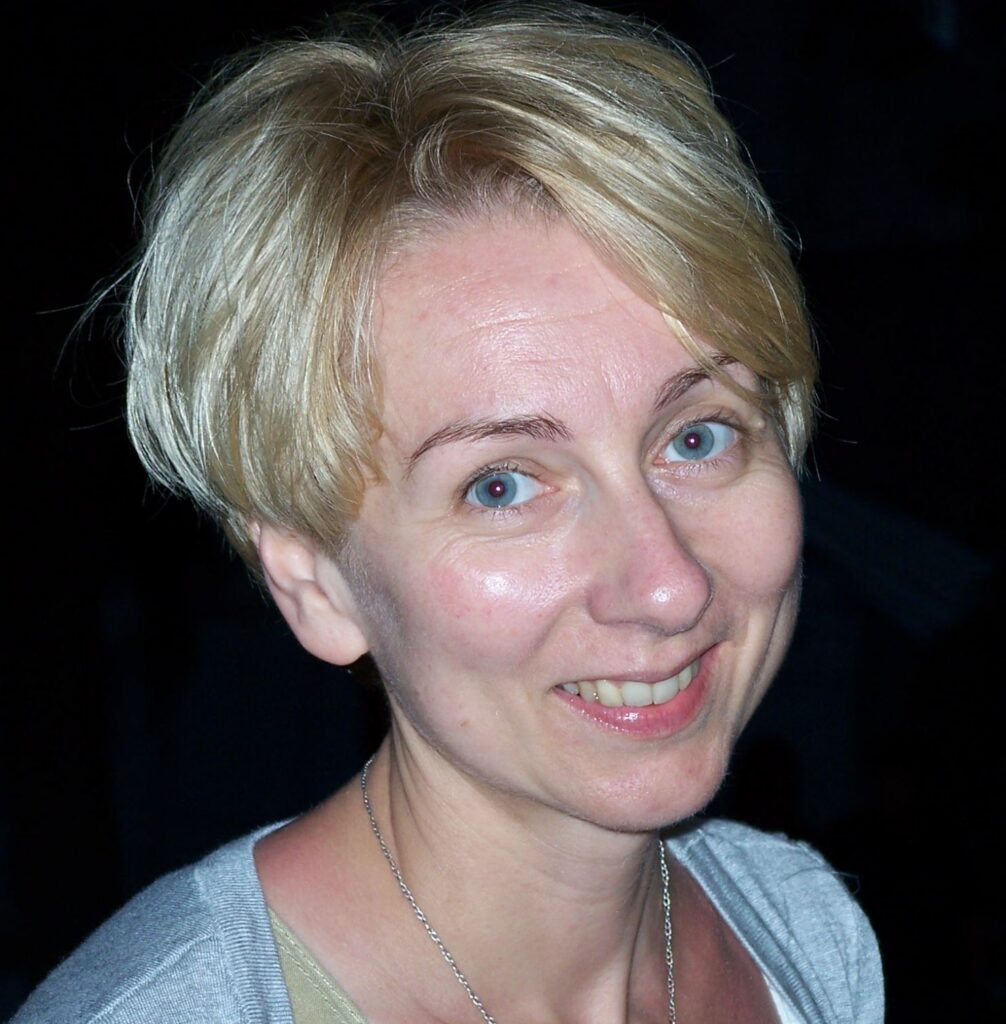
Headshot of Ewa Schaller, speaker for HERC's Navigating the Holocaust professional development workshop.

Ewa Schaller

Ewa Schaller is a Senior Program Officer, Educator, and Education Coordinator at American Friends of Yahad-In Unum. She designs, oversees, and conducts teacher seminars, lectures, and educational events across the United States in collaboration with the Educational Program of Yahad-In Unum in Paris. Additionally, she develops educational resources and activities tailored to American teachers and has participated in Yahad-In Unum’s investigative work in Ukraine, Poland, and Latvia.

Born and raised in Poland, Ewa holds a PhD in Humanities from the University of Torun. She joined American Friends of Yahad-In Unum after relocating to New York City in 2015. Prior to her work with the organization, she spent over a decade teaching literature and history at her hometown university. Currently, Ewa is pursuing a Master’s degree in Human Rights at the University of London, further deepening her expertise in Holocaust studies, human rights, and human rights law. Her research and educational initiatives focus on fostering a deeper understanding of historical injustices and contemporary human rights issues.

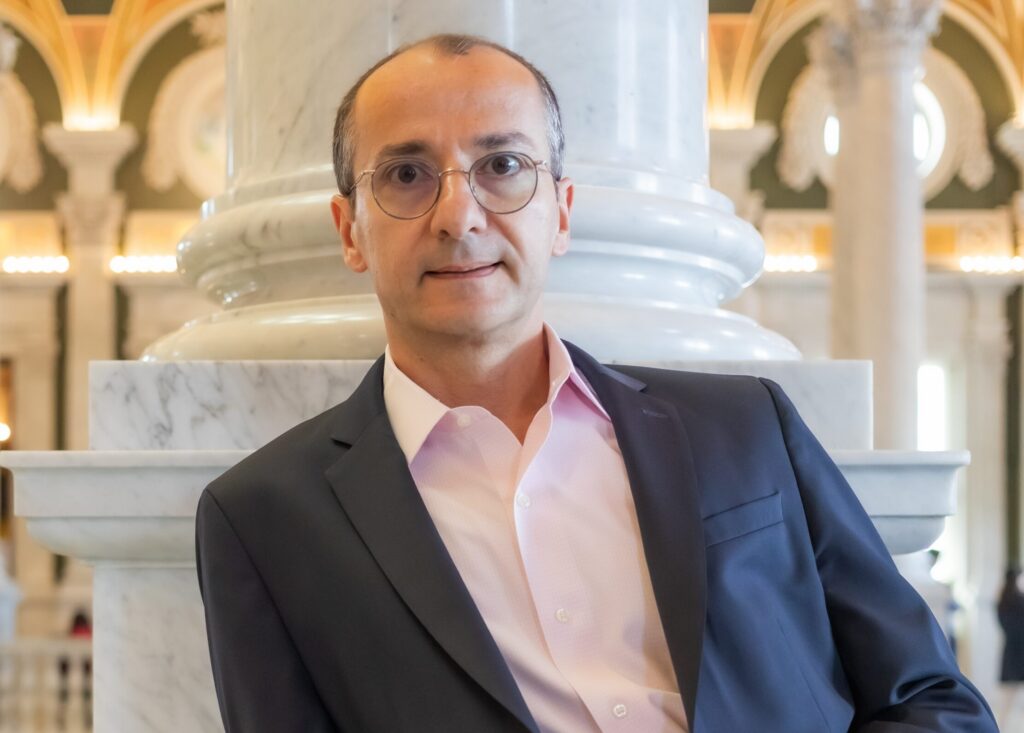
Khatchig Mouradian, a speaker for HERC's Navigating the Holocaust Summer Workshop, leans against a marble surface with hands clasped. He wears round wire-rimmed glasses and a navy blazer over a pink shirt, posed in front of ornate marble columns.

Khatchig Mouradian

Khatchig Mouradian is a historian of the late Ottoman Empire, the Middle East, and mass violence. He is a Lecturer in Middle Eastern, South Asian, and African Studies (MESAAS) at Columbia University and the Armenian and Georgian Area Specialist at the Library of Congress. He serves as Co-Principal Investigator on two interdisciplinary research initiatives: the Connectivity and Individuality in Textual Traditions project, funded by a Humanities and AI Virtual Institute grant from Schmidt Sciences; and the Armenian Genocide Denial project at New York University’s Global Institute for Advanced Study. Since 2024, he has also taught in the College of Letters and Science at the University of Wisconsin–Milwaukee. Mouradian is the author of the award-winning book The Resistance Network: The Armenian Genocide and Humanitarianism in Ottoman Syria, 1915–1918 (2021). He is co-editor of After the Ottomans: Genocide’s Long Shadow and Armenian Resilience (2023) and The I.B. Tauris Handbook of the Late Ottoman Empire: History and Legacy (2025).

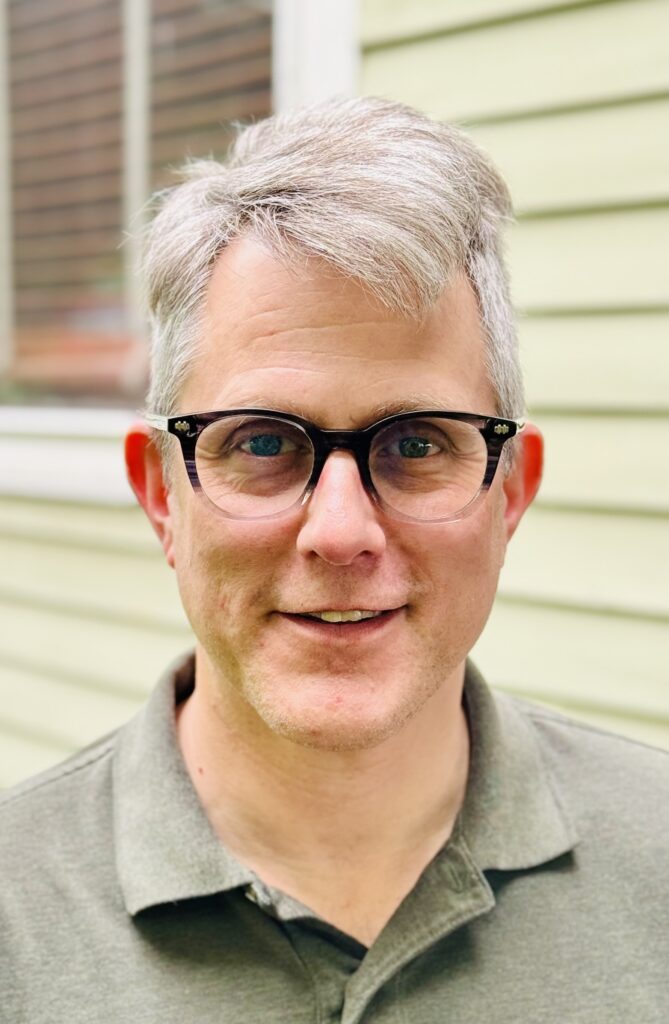
Daniel H. Magilow, a speaker for HERC's Navigating the Holocaust Summer Workshop, smiles at the camera. He has short silver hair, dark tortoiseshell glasses, and wears a gray polo shirt, photographed outdoors.

Daniel H. Magilow

Daniel H. Magilow is Lindsay Young Professor of German at the University of Tennessee, Knoxville and Co-Editor-in-Chief of Holocaust and Genocide Studies, the academic journal of the Jack, Joseph and Morton Mandel Center for Advanced Holocaust Studies at the United States Holocaust Memorial Museum. His teaching and research center on photography and film and their intersections with Holocaust Studies, Weimar Germany, Nazi Germany, and postwar memory. Alongside many articles, book chapters, and book reviews, he is the author, co-author, editor, or translator of six books, including Holocaust Representations in History: An Introduction (Bloomsbury) and most recently, The Absolute Realist: Collected Writings of Albert Renger-Patzsch, 1923–1967 (Getty Publications). His research has been supported by the United States Holocaust Memorial Museum, the Blavatnik Archive, the Getty Foundation, the German Academic Exchange Service, and the National Endowment for the Humanities. He is currently working on a monograph about the National Socialists’ official photographically illustrated magazine, the Illustrierter Beobachter (Illustrated Observer).

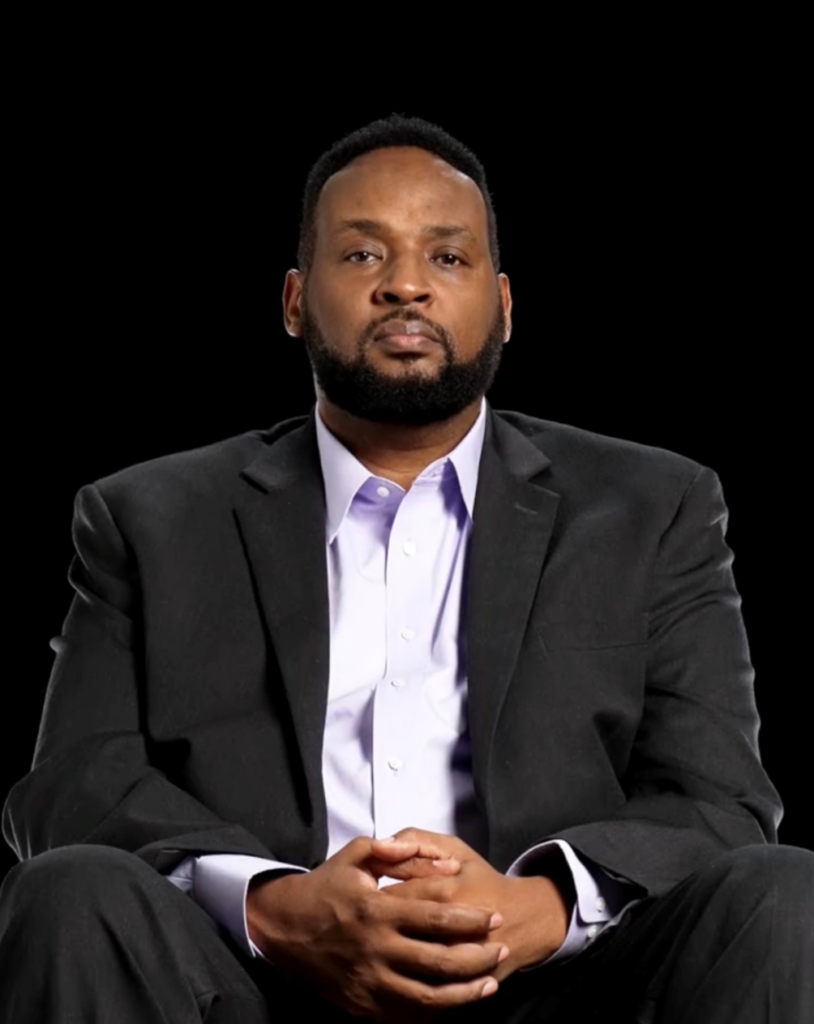
Kizito Kalima, a speaker for HERC's Navigating the Holocaust Summer Workshop, sits with hands clasped and gazes directly at the camera. He wears a dark blazer over a light lavender shirt, photographed against a black background.

Kizito Kalima

Kizito Kalima was born on June 3, 1979, in Nyanza, Rwanda. In 1994, the Kalima family was devastated by genocide. The family was separated, and many in the family, including Kizito’s parents, died. Kizito, however, managed to survive. Displaced by the genocide and without knowledge of surviving family members, Kizito found refuge in sports. He played basketball in surrounding African countries and was able to support himself in this manner.

Kizito is the Founder and Executive Director of the Peace Center for Forgiveness & Reconciliation, a public speaker, and an advocate for Genocide survivors. Kizito has spoken at a variety of schools, churches, community gatherings, and events.

Kizito lives in Indianapolis with his biological daughter, Kayza, has two adopted and grown Rwandan daughters, themselves Genocide survivors, Josiane and Liliane, and now has a grandchild.

Supported By

With assistance from the Conference on Material Claims Against Germany Supported by the Foundation Remembrance, Responsibility and Future and by the German Federal Ministry of Finance.